

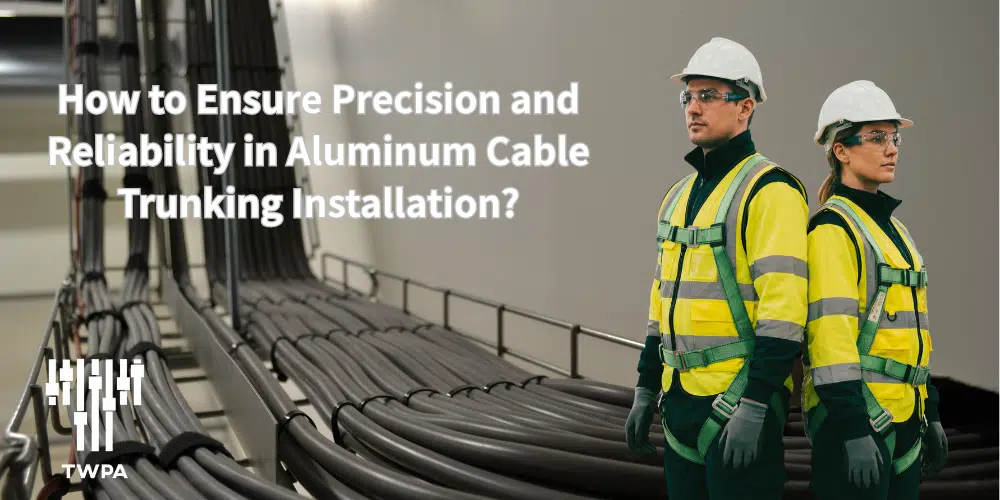
Aluminum cable trunking is an indispensable part of modern architecture, used to house and protect electrical wires and cables. It provides a secure, clean, and organized wiring solution for electrical systems. The installation of aluminum trunking requires precision, professionalism, and strict adherence to safety standards to ensure the reliability and long-term performance of the infrastructure.
1. Planning and Design
-
Identify Wiring Requirements: Determine the routing needs, including the precise locations, lengths, and quantity of cables, while considering the building's layout and intended use.
-
Select Appropriate Trunking: Choose the correct model and dimensions based on the wiring load. Ensure the trunking complies with local building codes and safety standards.
-
Path Design: Define the trunking path, including horizontal, vertical, and corner sections. Utilize specific accessories to create smooth transitions and connections.
-
Safety and Maintenance Integration: Design the system with accessibility in mind. Ensure that the trunking is easy to inspect and maintain while strictly following safety regulations.
2. Preparatory Work
-
Tools and Materials: Ensure all necessary tools are ready, such as screwdrivers, spirit levels, and pliers, along with the aluminum trunking, hangers, connectors, and fittings.
-
Personal Protective Equipment (PPE): Always wear appropriate PPE, including gloves, safety shoes, and hard hats.
-
Site Safety: Secure the work area with adequate ventilation and lighting. Set up necessary warning signs around the perimeter.
3. Installation Process
-
Mounting Hangers: Use hangers to fix the aluminum trunking to ceilings, walls, or structural frames. Hangers should be evenly distributed to provide stable and balanced support.
-
Assembling Trunking: Place the trunking onto the hangers, ensuring a tight fit and seamless alignment. Use connectors and elbows to navigate corners and join sections securely.
-
Cable Routing: Carefully lay the cables into the trunking, ensuring they are neatly arranged without tangles. Use dividers and labels to organize and identify different circuits.
4. Testing and Inspection
-
Connection Audit: Verify that all coupling components are securely tightened and structural integrity is maintained.
5. Safety Review and Cleanup
-
Comprehensive Safety Check: Confirm all fasteners are secure, the trunking is perfectly level and plumb, and the wiring is correctly routed. Ensure no tasks are left unfinished and perform a final audit against safety standards.
-
Electrical Connectivity Testing: Test all wire and cable connections to ensure they are operating safely and correctly. Verify that lighting and power outlets are functioning as intended.
-
Site Restoration: Clear the work area of any leftover tools, scrap materials, or debris. This ensures both safety and a professional, clean workspace.
-
Documentation: Properly archive all construction documents, diagrams, and blueprints for future maintenance and troubleshooting.
By following these professional steps, you can ensure that your aluminum cable trunking installation is successful, providing a reliable, safe, and efficient electrical service. For optimal results and compliance with safety codes, we recommend consulting professional electricians or architects.
Welcome to contact TWPA directly for high-quality solutions and expert advice.