

In the field of modern materials science and engineering, aluminum is the second most widely used metal, surpassed only by steel. Its applications range from daily necessities to high-end industrial sectors. Characterized by its lightweight nature, corrosion resistance, high plasticity, and excellent electrical and thermal conductivity, aluminum is progressively replacing traditional steel, playing a pivotal role in construction, transportation, electrical/electronic, and energy industries.
The Characteristics and Practical Value of Aluminum
-
Lightweight Yet Robust: Balancing Efficiency and Safety The density of aluminum is only one-third that of steel, yet it can achieve remarkably high structural strength through alloying or profile engineering. In the aerospace and automotive industries, utilizing aluminum significantly reduces vehicle weight, thereby improving energy efficiency and lowering carbon emissions. This "lightweight" advantage benefits not only transportation but also structural architectures and wiring systems.
-
Corrosion Resistance and Extended Lifespan Aluminum naturally forms a dense protective oxide layer on its surface. Compared to carbon steel, which is highly susceptible to rust, aluminum remains stable even in humid, saline, or chemically corrosive environments. This makes it exceptionally suited for coastal buildings, food processing plants, and medical facilities.
-
Superior Electrical and Thermal Conductivity Although the electrical conductivity of aluminum is lower than that of copper, it is widely adopted in power engineering for high-voltage transmission lines due to its light weight and cost-effectiveness. This characteristic is closely intertwined with the applications of aluminum cable trunking and trays.
-
Recyclability to Support Sustainable Development Aluminum boasts an exceptionally high recycling rate, and the recycling process requires only 5% of the energy needed to produce primary aluminum. This positions aluminum as a key material for driving ESG (Environmental, Social, and Governance) initiatives, green building, and sustainable development.
Applications of Aluminum in Everyday Life and Industry
-
Construction Engineering: Curtain walls, window and door frames, and supporting structures (aluminum windows being the most common example).
-
Transportation: Aircraft fuselages, subway carriages, and automotive engine components.
-
Consumer Products: Smartphone casings, laptop enclosures, kitchenware, and beverage cans.
-
Electrical and Electronics: Aluminum cabling, heat sinks, and power supply enclosures.
Among these applications, electrical and architectural wiring engineering are particularly reliant on the unique properties of aluminum.
Aluminum Cable Trunking and Trays: Wiring Solutions for Modern Construction and Industry
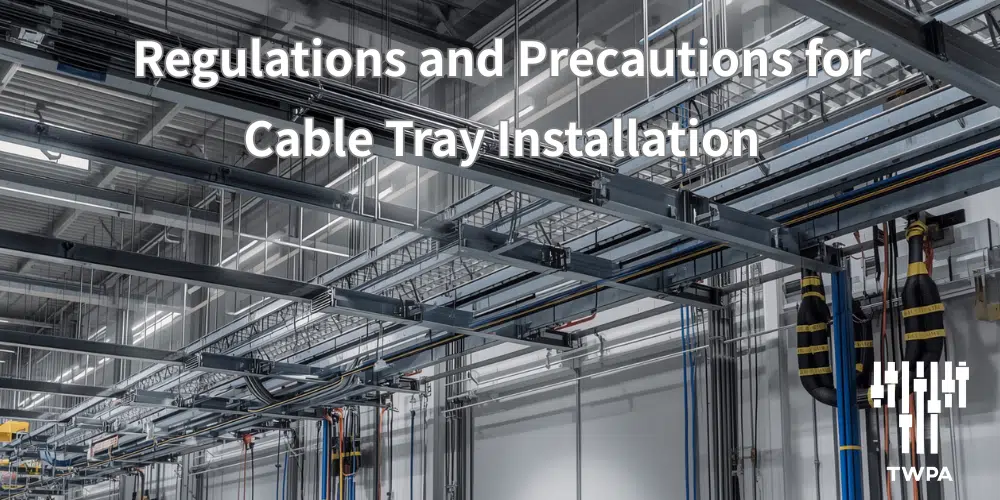
In cable management engineering, the primary mission of trunking and trays is to carry cables, protect wiring, and provide an organized routing system. While galvanized steel has been the traditional choice, aluminum trunking and trays have become a prominent market trend due to their comprehensive advantages:
-
Lightweight for Higher Installation Efficiency In large-scale factories and commercial buildings, wiring projects often require extensive suspended installations. Utilizing aluminum trunking reduces the structural load of the building and lessens the physical strain on installation and maintenance crews, boosting overall efficiency.
-
Corrosion Resistance Lowers Long-Term Maintenance Costs In humid environments—such as basement electrical rooms, coastal facilities, or food processing plants—aluminum trunking eliminates the need for frequent maintenance or anti-rust treatments required by iron counterparts, yielding substantial long-term cost savings.
-
Aesthetics and Modern Design With a smooth, bright metallic finish, aluminum maintains a sleek texture and can be further enhanced via anodizing or powder coating. This makes it an ideal fit for commercial offices or public spaces where both functionality and appearance matter.
-
High Compatibility Aluminum trays are highly versatile, accommodating not only heavy power cables but also low-voltage systems (network and control cables). This fulfills the intelligent wiring demands of modern smart buildings.
Real-World Application Case Studies
-
High-Tech Semiconductor Fabs: Manufacturing environments demand long-term stability. Since most fabs are located in humid environments or areas with chemical gases, aluminum trunking effectively prevents corrosion and protects expensive cabling.
-
Commercial Offices and Public Infrastructure: Adopting aluminum trays and trunking reduces the structural burden of buildings while optimizing space neatness, facilitating future pipeline maintenance and expansion.
-
Healthcare Facilities: Aluminum is rustproof and easy to sanitize, strictly aligning with the elevated safety and hygiene standards of medical environments.
TWPA (Taiwan Wiring & Piping Accessories) provides aluminum cable trunking that delivers exceptional performance and reliability. To better serve your needs, TWPA offers premium aluminum cable ducts, trays, and accessories. Our products are meticulously crafted with top-tier craftsmanship to ensure smooth surfaces and are available in a comprehensive range of specifications.
Simply provide us with the required product models, specifications, and quantities—our dedicated specialists are ready to assist you. Take action now and let TWPA (Taiwan Wiring & Piping Accessories) be your preferred partner!