

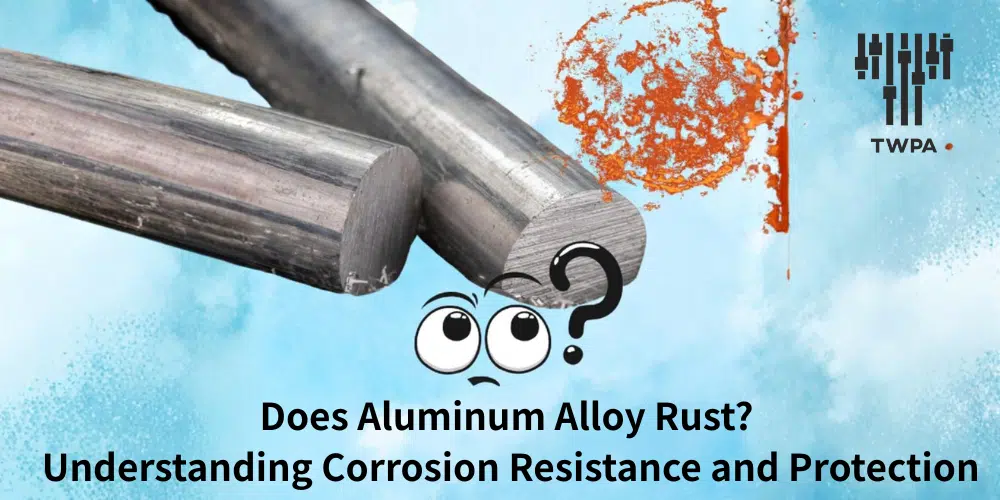
As a metal widely utilized in industrial and architectural materials, aluminum alloy is often the preferred choice due to its corrosion-resistant properties. However, a common question remains: "Does aluminum alloy rust?" This article provides an in-depth analysis of aluminum’s characteristics and highlights the advantages of JNS (Jeng Shuen) aluminum cable trunking.
Corrosion Characteristics of Aluminum Alloy
First, it is important to understand that unlike traditional steel, aluminum alloy does not undergo "rusting" in the way iron does. When aluminum is exposed to oxygen, a thin aluminum oxide film automatically forms on its surface. This film acts as an exceptional protective barrier, effectively sealing out air and moisture to prevent further erosion. Therefore, aluminum does not rust; instead, it utilizes this oxide layer to enhance its inherent corrosion resistance.
Conditions for Aluminum Corrosion
While aluminum does not develop red rust like iron, it can still experience oxidative corrosion under specific extreme environments. For example, in high-salinity marine environments, the protective oxide film may be compromised, leading to phenomena such as pitting corrosion. However, through processes like anodizing, the corrosion resistance of aluminum alloys can be further reinforced.
Common Methods for Protecting Aluminum Alloys
-
Anodizing: This is one of the most effective protection methods. Through an electrochemical process, a thick and durable oxide layer is formed on the surface. This not only bolsters corrosion resistance but also improves the material’s aesthetic by offering various color options. JNS aluminum cable trunking utilizes anodizing technology to significantly increase durability, making it suitable for harsh industrial environments.
-
Coating Treatment: Aluminum surfaces can be covered with protective layers such as powder coating or polymer coatings. These layers prevent oxides and other external substances from eroding the metal. This treatment is ideal for outdoor equipment and architectural materials, particularly in coastal or high-salt environments.
-
Electroplating: Plating the aluminum surface with metals such as nickel or chromium can enhance its anti-corrosive properties. Beyond rust prevention, electroplating improves wear resistance and visual appeal.
-
Cleaning and Maintenance: Regular cleaning prevents acidic substances or salt buildup from corroding the surface. In highly corrosive environments, maintaining a clean surface is a vital measure to prevent oxidation.
Partner with TWPA for Reliable Solutions
TWPA (Taiwan Wiring & Piping Accessories) provides aluminum cable trunking that delivers exceptional performance and reliability. We offer premium trunking, cable trays, and accessories crafted with top-tier artisan techniques, ensuring smooth finishes and a complete range of specifications.
Simply provide us with your required model, specifications, and quantity, and our dedicated team will provide expert service. Take action now and make TWPA your premier partner for wiring solutions!